EPS recycling work went smoothly with government support
Governments around the world are placing greater emphasis on EPS recycling as part of their efforts to reduce plastic waste and promote a circular economy. Expanded polystyrene (EPS) is widely used in packaging, food service, electronics, and construction because it is lightweight, durable, and provides excellent insulation. However, its bulky structure makes collection and transportation expensive, creating challenges for both businesses and municipalities. As a result, improving EPS recycling has become a shared responsibility between governments, recyclers, and manufacturers.
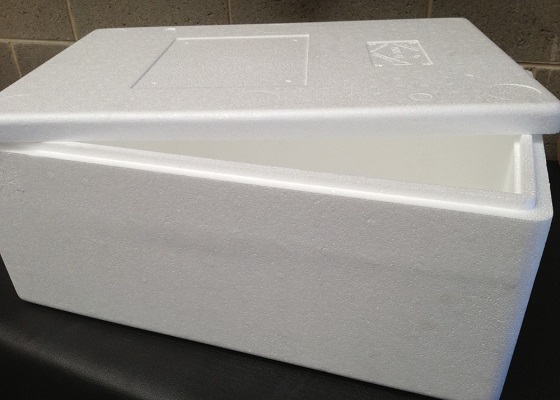
Many countries have introduced policies to encourage plastic recycling and reduce landfill waste. The European Union’s Waste Framework Directiverequires Member States to improve waste management and increase recycling rates, while the Packaging and Packaging Waste Regulation (PPWR) continues to promote recyclable packaging and recycled content across Europe. In the United States, several states have expanded Extended Producer Responsibility (EPR)programs for packaging, encouraging producers to participate in recycling systems. Japan has also implemented the Containers and Packaging Recycling Law, which promotes the collection and recycling of packaging materials, including plastics. These policies are helping create a more favorable environment for EPS recycling worldwide.
In addition to regulations, many governments provide practical support to recycling businesses through grants, equipment subsidies, tax incentives, and low-interest financing. These programs help recycling companies invest in modern recycling equipment, expand processing capacity, and improve operational efficiency. By reducing the financial burden of equipment purchases, governments make it easier for businesses to establish sustainable foam recycling operations while increasing local recycling rates.
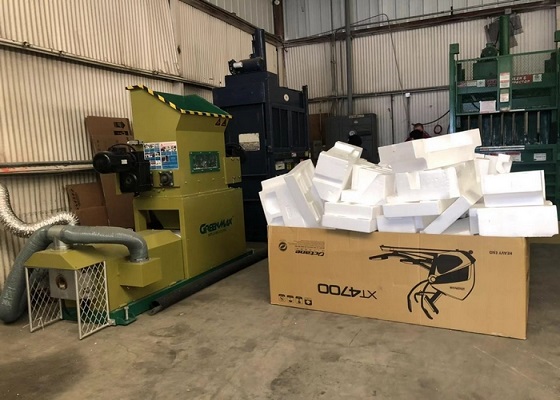
One of the most effective ways to improve EPS recycling is by reducing foam volume before transportation. EPS recycling machines compress bulky foam into compact blocks, significantly reducing storage requirements and transportation costs. This allows recyclers to handle more material efficiently while supplying high-quality recycled polystyrene to downstream manufacturers. Volume reduction also helps municipalities optimize collection and logistics, making local recycling programs more cost-effective.
A European recycling company upgraded its EPS recycling process after receiving support through a regional sustainability initiative.
By GREENMAX EPS recycling machine, the company was able to process large volumes of post-consumer packaging foam directly at its facility. The compacted EPS blocks were shipped to plastic recyclers for pelletizing and later used to manufacture new products. The project improved recycling efficiency, reduced logistics costs, and supported local circular economy objectives, demonstrating how public policy and recycling technology can work together to deliver measurable environmental benefits.
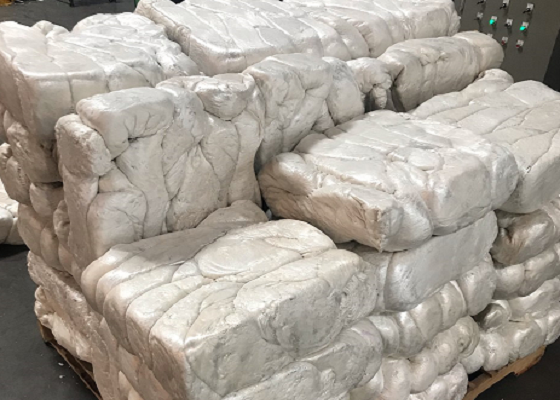
As governments continue introducing stricter recycling regulations and sustainability targets, cooperation between policymakers, businesses, and recycling technology providers will become increasingly important. Investing in efficient EPS recycling equipment enables recyclers and manufacturers to reduce waste, lower operating costs, and recover valuable plastic resources. Combined with supportive government policies, advanced recycling solutions are helping build a more sustainable future for the global EPS recycling industry.
FAQ
- Why are governments supporting EPS recycling?
Governments support EPS recycling to reduce landfill waste, conserve plastic resources, lower carbon emissions, and promote the development of a circular economy through improved recycling infrastructure and investment. - How do government policies help foam recyclers?
Many governments provide financial incentives such as grants, tax credits, equipment subsidies, and recycling programs. These measures encourage businesses to invest in recycling equipment and improve the efficiency of collecting and processing EPS waste. - How can an EPS recycling machine improve recycling efficiency?
An EPS recycling machine compresses bulky foam into dense blocks, reducing transportation and storage costs while making recycled EPS easier to handle, transport, and process into new plastic products.
Leave a Reply