How to properly use foam densifier to carry out campus recycling activities
Recycling projects can be divided into recycling point recycling, roadside recycling, and campus recycling according to location. The campus recycling project is the most emerging recycling project, aiming to let children raise awareness of environmental protection through Styrofoam recycling activities.
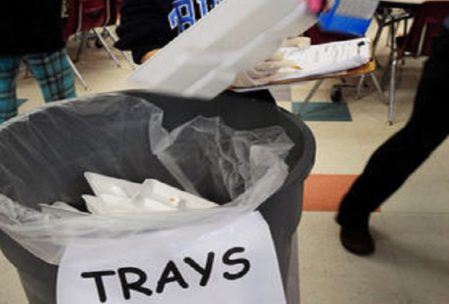
Now you can put foam waste on the campus of Wilmington City University for recycling. UNCW warehouse service manager Pete Bloodworth said: “This is actually a brand new project.” UNCW found a way to convert foam into recyclable materials by using a brand new foam densifier.
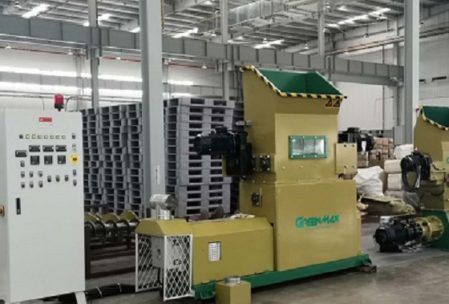
“Basically, the foam densifier just grinds the foam waste, heats it, and turns it into slime,” Bloodworth said. “The sludge becomes hard after cooling, and this is the finished product.” A process that sounds simple, but it saves a lot of cost for foam recycling. When the soft clay becomes hard as solid brick, we call it foam ingot. Compared with the foam waste that has not been processed by the foam densifier, the volume of the foam ingot is reduced by nearly 90 times. Significantly improve efficiency in the transportation link of foam recycling, while reducing storage area.
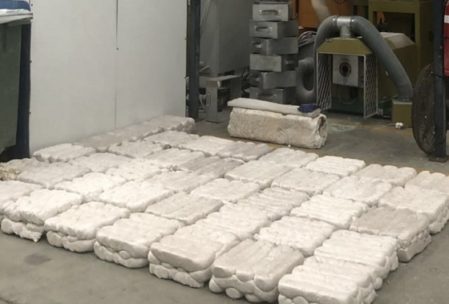
Foam recycling does not end here. Foam ingot can be sold, like California-based INTCO Recycling long-term acquisition of foam ingot, used to produce exquisite photo frames, mirror frames, etc. Manufacturers such as park benches, hangers, and stationery are also purchasing it, and it has a vast terminal market.
Selling foam ingots to obtain profits, and then use them to expand the scale of foam recycling. This is the healthy development of recycling and the correct way to use foam densifier.
Leave a Reply