Can GREENMAX Styrofoam densifier recycle Styrofoam from the ocean?
Styrofoam is an important component of the rapid increase in marine debris over the past century. It is known as the Pacific Garbage vortex, spanning the waters from the west coast of North America to Japan. Styrofoam is not only decomposed into large pieces of garbage, but also into smaller and smaller pieces, which are consumed by various marine organisms and finally enter the food chain. For example, black headed turtles often mistake plastic chips for jelly, their favorite food. Albatrosses mistake plastic fillets for fish eggs and feed them to chickens that die of starvation or organ rupture. Why is it going to be treated as garbage instead of reusing through Styrofoam recycling?

Styrofoam’s contribution to microplastics has been documented in 42 international studies. Microplastics are also being discovered in all manner of sea life across the world both in oceans and in fresh water. For example, plastics were found in 82% of Lake Superior Herring. Plastics were discovered in mussels in Nova Scotia. In the North Sea, 10 different species of fish were examined. Depending on the species between 23% and 52% of the samples collected contained microplastics. Actually, if there is no machine like GREENMAX densifier offered by INTCO Recycling, Styrofoam from the ocean will have some difficulties in recycling.
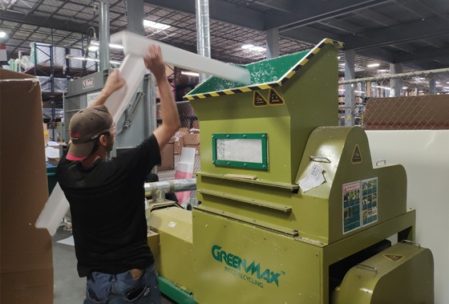
GREENMAX Styrofoam densifier is crushing, compaction and melting. The purpose is to reduce the amount of loose Styrofoam to the 1/90 volume of the original, so that storage and transportation costs can be greatly reduced. For Styrofoam producers and cutters, a Styrofoam densifier also could help to maintain factory cleanliness with efficiency and safety.
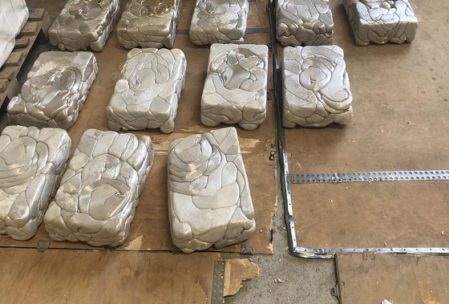
Moreover, GREENMAX Styrofoam densifier offers a good opportunity to earn additional profits. The melted Styrofoam ingots is popular in the market and the price is higher. Meanwhile, the ingots could be stored outdoors, no matter it is rainy or windy.
Leave a Reply