Is It Possible to Recycle Polystyrene through Enzymatic Biodegradation?
A recent study found that one type of worm could be the key to plastic recycling in the future. Sounds incredible right? At first glance, most people think this news is fake, but it is indeed news confirmed by scientists.
Experiments by the University of Queensland in Australia revealed the worm’s unusual digestive abilities. By controlling for variables, the researchers fed the worms different foods and found that the worms that were fed polystyrene gained the most weight.
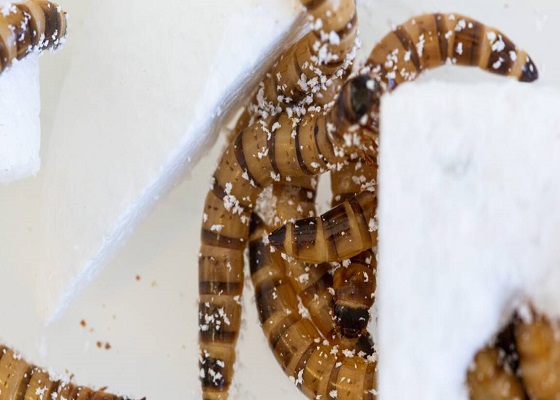
The results of the study immediately sparked more discussion about polystyrene recycling. Some people think the worms could be used to dispose of post-consumer polystyrene. The worm is called the new hope for polystyrene recycling. However, some people hold a different view.
Although the polystyrene-fed super worms completed their life cycle, becoming nymphs and then fully growing into adult beetles, tests showed a loss of microbial diversity in their guts and potential pathogens. These results suggest that while insects can survive on polystyrene, it is not a nutrient-dense diet, and it affects their health. This means that feeding polystyrene to worms can actually affect their health. I don’t think it’s humane enough. In addition, the experiment is still in the testing stage, and there is still a long way to go before polystyrene is fully biodegraded.
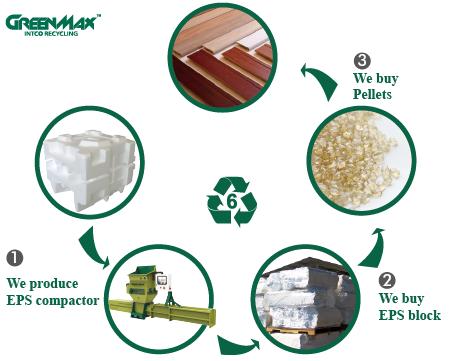
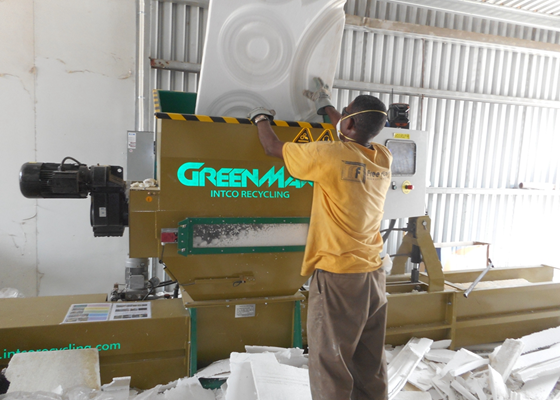
I’m all for polystyrene recycling, but not in a “biodegradable” way that can’t be guaranteed. Mechanical recycling is currently accepted by most recyclers. For example, GREENMAX Polystyrene compactor from INTCO Recycling. INTCO can not only recycle this white polystyrene waste but also help people turn waste into treasure. INTCO Recycling has been committed for more than ten years to the development of environmental recycling. It designed and manufactured a polystyrene compactor. This machine can help you solve all the worries during polystyrene recycling. INTCO Recycling provides the most comprehensive solution to the long and difficult path of polystyrene recycling.
Leave a Reply