Recycling Is the Ultimate Answer to the Disposal of Abandoned Surfboard
Surfing has become a popular lifestyle around the world, especially in coastal regions such as California, Hawaii, and Australia. While surfboards provide an important part of the surfing experience, old or damaged boards can create a waste challenge. Instead of sending abandoned surfboards to landfills or leaving them in the environment, surfboard recycling offers a more sustainable way to manage these materials.
Most surfboards contain a lightweight foam core that provides buoyancy and structural support. Many traditional boards use EPS (expanded polystyrene) as the core material. Because EPS is a recyclable plastic, properly handling old surfboards and EPS manufacturing scraps can help recover valuable material and reduce waste.

When foam waste is improperly discarded, it can remain in the environment for a long time and gradually break into smaller pieces. This makes responsible EPS recycling particularly important for surfboard manufacturers, retailers, repair businesses, and recycling centers. Keeping foam waste within a controlled recycling system helps prevent unnecessary environmental pollution while creating opportunities for material recovery.
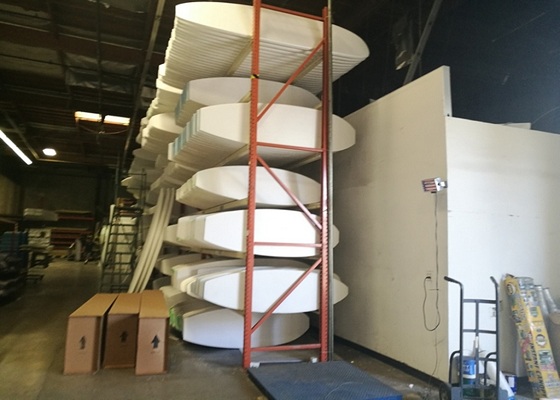
For surfboard manufacturers, recycling can also begin during production. Cutting and shaping EPS foam generates a significant amount of leftover material. Instead of sending these scraps directly to disposal, manufacturers can use a polystyrene compactor to compress the loose foam into dense blocks. This reduces the volume of EPS waste and makes it easier and more economical to store and transport.
A professional EPS compactor can process large quantities of loose foam through mechanical compression. For example, GREENMAX foam compactor use compression technology to significantly reduce the volume of EPS waste while producing dense, manageable blocks. This approach can help surfboard manufacturers improve waste management efficiency without requiring a complicated recycling process.
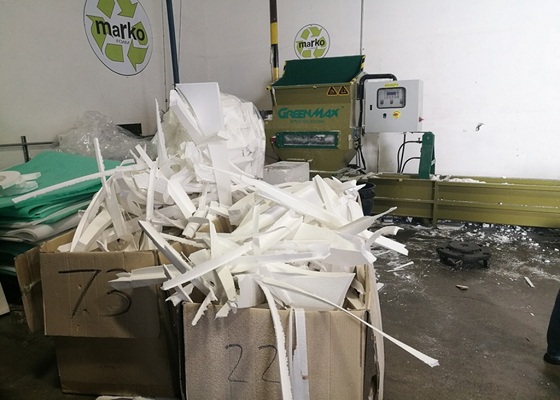
The compressed EPS blocks can then enter the recycling market and be processed into new plastic products, such as picture frames, construction materials, and other applications. Recycling companies can also purchase and further process these blocks, creating a practical material recovery chain. For businesses, this can reduce disposal costs, free up valuable production space, and potentially generate revenue from recyclable materials.
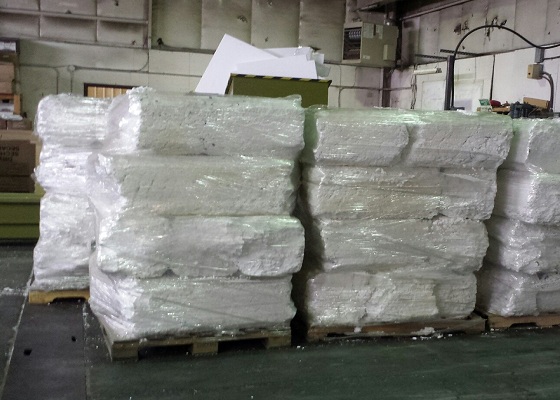
Ultimately, surfboard recycling is about keeping valuable materials in circulation rather than treating them as waste. Whether the material comes from an old surfboard or manufacturing scraps, an EPS recycling solution can help the surfing industry reduce waste and move toward a more sustainable future. Surfboards belong in the water when they are being used—but when they reach the end of their useful life, recycling is a better destination.
FAQ
1.What are the benefits of using an EPS compactor?
An EPS compactor can reduce foam waste volume, save storage space, lower transportation costs, and make recovered EPS easier to handle and sell.
2.Can surfboards be recycled?
Yes. Surfboards containing EPS foam can potentially be recycled when the foam is properly separated and processed.
3.How can surfboard manufacturers recycle EPS waste?
Manufacturers can use an EPS compactor to compress production scraps into dense blocks for easier storage, transportation, and further recycling.hine is the best place to abandon the surfboard.
Leave a Reply