How to Recycle Polystyrene Waste From Production to Post-Consumption
Polystyrene foam is used throughout manufacturing, retail and distribution because it is lightweight, protective and insulating. It appears as production offcuts, appliance and electronics packaging, insulated shipping boxes and other protective materials. Once these products have been manufactured or unpacked, the same low weight that makes polystyrene useful also makes the waste expensive to store and transport.
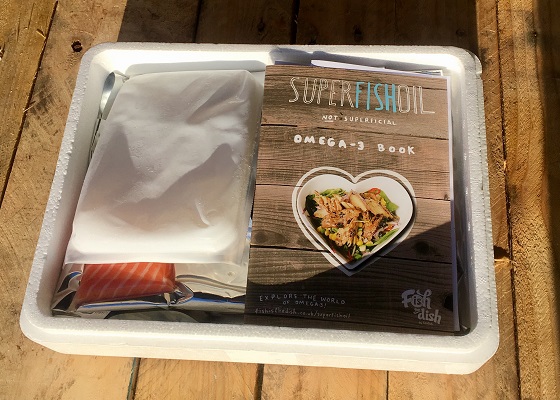
Post-consumer polystyrene comes from packaging that has already completed its original use. Its condition varies according to where it was collected and how it was stored. Material from retailers, warehouses and distribution centres is often suitable for recycling when it is kept separate from other waste.
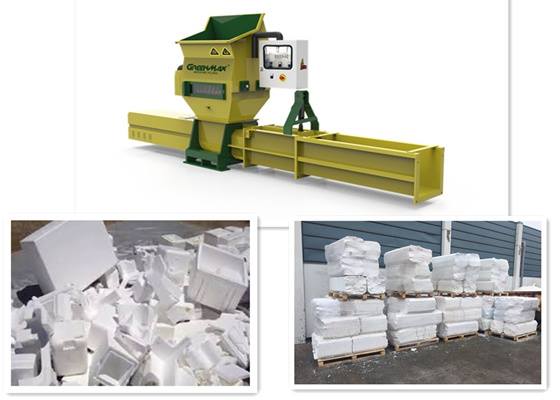
GREENMAX polystyrene compactor uses crushing and screw compression to turn loose EPS foam into dense blocks without melting the material. The operator feeds the foam into the hopper, after which it is crushed into smaller pieces and pushed through the compression section.
Cold compaction can reduce EPS volume by up to 50:1. The resulting blocks require less storage space and allow more material to be loaded for each shipment. This method is suitable for manufacturers, retailers and recycling centres that generate a regular supply of polystyrene foam.
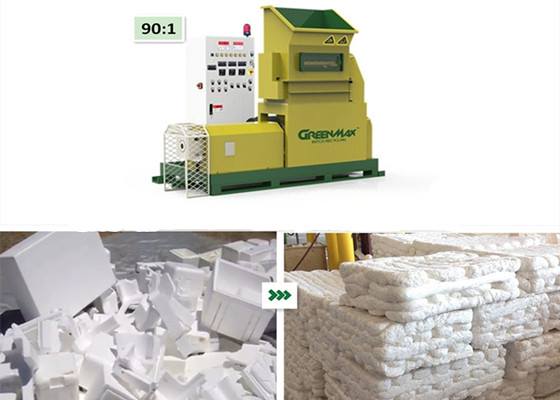
GREENMAX polystyrene densifier uses a different process. After the foam is shredded, a heated screw melts and extrudes the material into compact ingots. The volume of EPS foam can be reduced by up to 90:1.
The higher reduction ratio is useful when storage space is limited or the densified material needs to travel a longer distance. Because the foam is melted, the equipment configuration should be matched to the material type, processing volume and operating conditions of the facility.
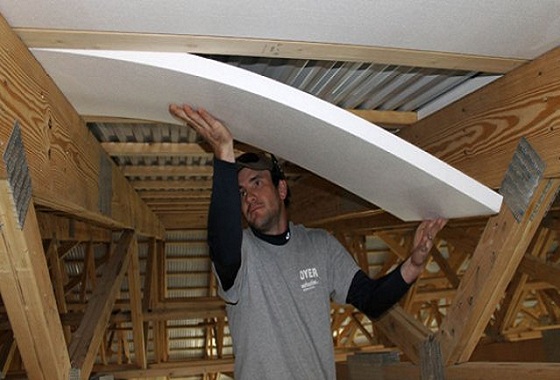
After compaction or densification, the polystyrene blocks or ingots can be sent to a specialist recycler. The material is then processed into recycled polystyrene pellets and used to manufacture products such as picture frames, decorative mouldings and plastic profiles.
INTCO Recycling supplies GREENMAX polystyrene recycling equipment and may purchase qualified compacted or densified material according to its condition, quantity and current purchasing requirements. This connects volume reduction with a downstream recycling route, helping businesses manage polystyrene waste from production through to post-consumer recovery.
Waste polystyrene packaging has a high recycling value
Many people see waste polystyrene packaging as something that can only be thrown away, but that is not really the case. Polystyrene, especially EPS packaging, can be recycled and reused when it is properly collected and processed. Clean foam boxes and protective packaging can be recovered for further use, while slightly contaminated EPS can be processed into compacted material and eventually made into recycled PS pellets for other applications.

The biggest problem with EPS recycling is actually its low density. If you have ever handled a large pile of foam packaging, you know that it looks like a lot of waste, but most of it is just air. EPS is made up of many tiny air bubbles, which is also why it is such a good insulation material and is widely used for food packaging, protective packaging, and building insulation. The downside is that loose foam takes up a huge amount of space, making collection, storage, and transportation expensive.
This is where a polystyrene compactor or foam densifier becomes useful. Instead of transporting large amounts of loose foam, companies can first compress the material and greatly reduce its volume. The densified polystyrene is much easier to store and transport, making the recycling process more practical and economical. For businesses that generate a lot of EPS packaging waste, this simple volume-reduction step can make a big difference.
Polystyrene often gets a bad reputation because people associate it with disposable packaging and landfill waste. But the material itself still has recycling value. The real challenge is making sure the waste is collected and processed instead of being discarded. Once recovered, polystyrene can be used as a secondary raw material and, depending on its quality and processing method, can be turned into new foam products, recycled PS pellets, decorative products, insulation materials, and other plastic applications.
More companies are looking at polystyrene recycling machines as part of their waste management strategy. Recycling is not only about environmental responsibility; it can also help reduce disposal, storage, and transportation costs. When the right recycling equipment and a reliable downstream recycling channel are available, waste polystyrene can become a material with real commercial value.
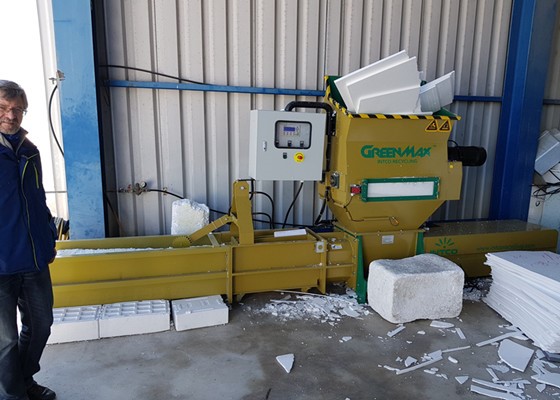
With proper collection, compaction, and further recycling, much of this material can stay in the resource cycle instead of going to landfill. If your business generates a large amount of waste polystyrene packaging, investing in the right recycling solution may be worth considering.
FAQ
1.What can recycled polystyrene be used for?
Depending on the material quality and recycling process, recovered polystyrene can be processed into recycled PS pellets or other recycled materials. These can potentially be used to manufacture products such as new foam packaging, photo frames, decorative moldings, insulation products, and other plastic products.
2.Is waste polystyrene packaging recyclable?
Yes. EPS and other polystyrene packaging can be recycled when it is properly collected and processed. Clean EPS can be reused as a secondary raw material, while suitable contaminated material can be compacted and processed further.
3.Why is EPS difficult to recycle?
The main challenge is its very low density. Loose EPS contains a large amount of air, so it takes up a lot of space during collection, storage, and transportation. A polystyrene compactor or foam densifier can significantly reduce its volume and make recycling more economical.
Recycling Is the Ultimate Answer to the Disposal of Abandoned Surfboard
Surfing has become a popular lifestyle around the world, especially in coastal regions such as California, Hawaii, and Australia. While surfboards provide an important part of the surfing experience, old or damaged boards can create a waste challenge. Instead of sending abandoned surfboards to landfills or leaving them in the environment, surfboard recycling offers a more sustainable way to manage these materials.
Most surfboards contain a lightweight foam core that provides buoyancy and structural support. Many traditional boards use EPS (expanded polystyrene) as the core material. Because EPS is a recyclable plastic, properly handling old surfboards and EPS manufacturing scraps can help recover valuable material and reduce waste.

When foam waste is improperly discarded, it can remain in the environment for a long time and gradually break into smaller pieces. This makes responsible EPS recycling particularly important for surfboard manufacturers, retailers, repair businesses, and recycling centers. Keeping foam waste within a controlled recycling system helps prevent unnecessary environmental pollution while creating opportunities for material recovery.

For surfboard manufacturers, recycling can also begin during production. Cutting and shaping EPS foam generates a significant amount of leftover material. Instead of sending these scraps directly to disposal, manufacturers can use a polystyrene compactor to compress the loose foam into dense blocks. This reduces the volume of EPS waste and makes it easier and more economical to store and transport.
A professional EPS compactor can process large quantities of loose foam through mechanical compression. For example, GREENMAX foam compactor use compression technology to significantly reduce the volume of EPS waste while producing dense, manageable blocks. This approach can help surfboard manufacturers improve waste management efficiency without requiring a complicated recycling process.

The compressed EPS blocks can then enter the recycling market and be processed into new plastic products, such as picture frames, construction materials, and other applications. Recycling companies can also purchase and further process these blocks, creating a practical material recovery chain. For businesses, this can reduce disposal costs, free up valuable production space, and potentially generate revenue from recyclable materials.

Ultimately, surfboard recycling is about keeping valuable materials in circulation rather than treating them as waste. Whether the material comes from an old surfboard or manufacturing scraps, an EPS recycling solution can help the surfing industry reduce waste and move toward a more sustainable future. Surfboards belong in the water when they are being used—but when they reach the end of their useful life, recycling is a better destination.
FAQ
1.What are the benefits of using an EPS compactor?
An EPS compactor can reduce foam waste volume, save storage space, lower transportation costs, and make recovered EPS easier to handle and sell.
2.Can surfboards be recycled?
Yes. Surfboards containing EPS foam can potentially be recycled when the foam is properly separated and processed.
3.How can surfboard manufacturers recycle EPS waste?
Manufacturers can use an EPS compactor to compress production scraps into dense blocks for easier storage, transportation, and further recycling.hine is the best place to abandon the surfboard.
EPS recycling work went smoothly with government support
Governments around the world are placing greater emphasis on EPS recycling as part of their efforts to reduce plastic waste and promote a circular economy. Expanded polystyrene (EPS) is widely used in packaging, food service, electronics, and construction because it is lightweight, durable, and provides excellent insulation. However, its bulky structure makes collection and transportation expensive, creating challenges for both businesses and municipalities. As a result, improving EPS recycling has become a shared responsibility between governments, recyclers, and manufacturers.
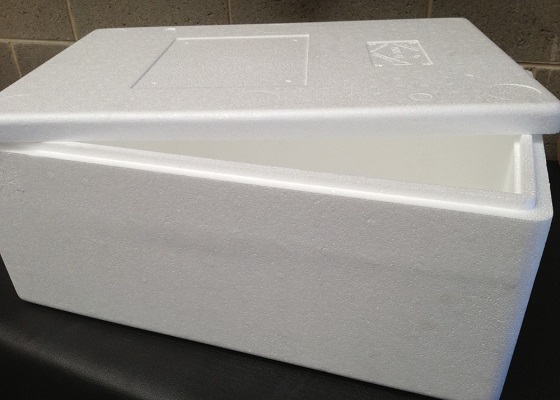
Many countries have introduced policies to encourage plastic recycling and reduce landfill waste. The European Union’s Waste Framework Directiverequires Member States to improve waste management and increase recycling rates, while the Packaging and Packaging Waste Regulation (PPWR) continues to promote recyclable packaging and recycled content across Europe. In the United States, several states have expanded Extended Producer Responsibility (EPR)programs for packaging, encouraging producers to participate in recycling systems. Japan has also implemented the Containers and Packaging Recycling Law, which promotes the collection and recycling of packaging materials, including plastics. These policies are helping create a more favorable environment for EPS recycling worldwide.
In addition to regulations, many governments provide practical support to recycling businesses through grants, equipment subsidies, tax incentives, and low-interest financing. These programs help recycling companies invest in modern recycling equipment, expand processing capacity, and improve operational efficiency. By reducing the financial burden of equipment purchases, governments make it easier for businesses to establish sustainable foam recycling operations while increasing local recycling rates.
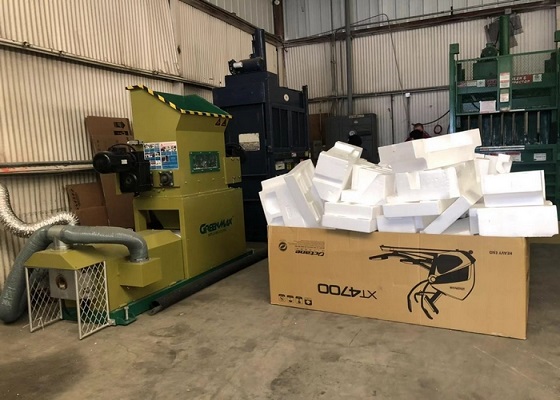
One of the most effective ways to improve EPS recycling is by reducing foam volume before transportation. EPS recycling machines compress bulky foam into compact blocks, significantly reducing storage requirements and transportation costs. This allows recyclers to handle more material efficiently while supplying high-quality recycled polystyrene to downstream manufacturers. Volume reduction also helps municipalities optimize collection and logistics, making local recycling programs more cost-effective.
A European recycling company upgraded its EPS recycling process after receiving support through a regional sustainability initiative.
By GREENMAX EPS recycling machine, the company was able to process large volumes of post-consumer packaging foam directly at its facility. The compacted EPS blocks were shipped to plastic recyclers for pelletizing and later used to manufacture new products. The project improved recycling efficiency, reduced logistics costs, and supported local circular economy objectives, demonstrating how public policy and recycling technology can work together to deliver measurable environmental benefits.
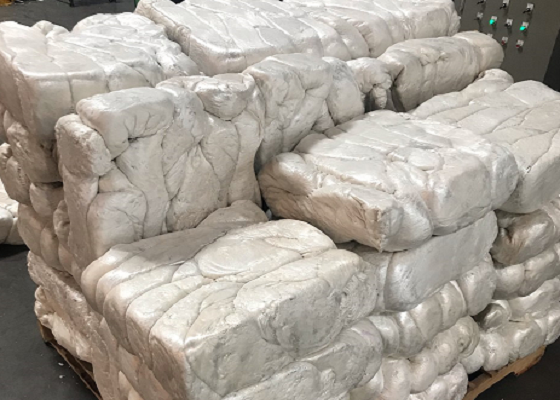
As governments continue introducing stricter recycling regulations and sustainability targets, cooperation between policymakers, businesses, and recycling technology providers will become increasingly important. Investing in efficient EPS recycling equipment enables recyclers and manufacturers to reduce waste, lower operating costs, and recover valuable plastic resources. Combined with supportive government policies, advanced recycling solutions are helping build a more sustainable future for the global EPS recycling industry.
FAQ
- Why are governments supporting EPS recycling?
Governments support EPS recycling to reduce landfill waste, conserve plastic resources, lower carbon emissions, and promote the development of a circular economy through improved recycling infrastructure and investment. - How do government policies help foam recyclers?
Many governments provide financial incentives such as grants, tax credits, equipment subsidies, and recycling programs. These measures encourage businesses to invest in recycling equipment and improve the efficiency of collecting and processing EPS waste. - How can an EPS recycling machine improve recycling efficiency?
An EPS recycling machine compresses bulky foam into dense blocks, reducing transportation and storage costs while making recycled EPS easier to handle, transport, and process into new plastic products.
How to recycle extruded polystyrene foam(XPS)?
Extruded polystyrene (XPS) is a rigid, closed-cell foam known for its excellent thermal insulation, moisture resistance, and compressive strength. It is widely used in building insulation, cold-chain logistics, automotive components, and protective packaging. As the demand for energy-efficient construction and durable packaging continues to grow, more XPS waste is being generated during manufacturing, installation, and demolition.
Although XPS is 100% recyclable, recycling it presents several challenges. The material is extremely lightweight but takes up a large amount of storage space, making transportation inefficient and expensive. Loose XPS foam also contaminates easily and many recycling facilities prefer receiving densified material rather than bulky foam. As a result, businesses often face rising disposal costs if they do not have an effective recycling solution.

How Is XPS Foam Recycled?
The most efficient way to recycle XPS foam is to reduce its volume before transportation. After collection and sorting, XPS waste is compressed or melted into high-density blocks. These compact blocks are much easier to store, transport, and sell to plastic recyclers. The recycled material is then processed into plastic pellets that can be used to manufacture new polystyrene products, helping create a more circular economy.
GREENMAX Machines for XPS Recycling
GREENMAX offers two professional solutions for XPS recycling. The GREENMAX foam densifier uses screw compression technology to reduce foam volume by up to 90:1, producing dense blocks that are easy to transport and recycle. For businesses handling even larger volumes of XPS waste, the GREENMAX melting machine uses heat to produce higher-density ingots, further reducing logistics costs while increasing the value of recyclable material.
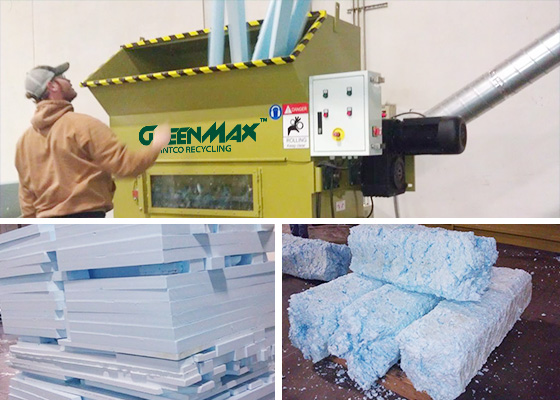
A North American manufacturer of insulation products generated large amounts of XPS production scrap every day. Loose foam occupied valuable warehouse space and required frequent waste collection, resulting in high disposal and transportation costs. After installing a GREENMAX foam densifier, the company was able to compress the foam into compact blocks on-site, reducing its volume by up to 90%. The densified material was then sold to downstream recyclers for pelletizing instead of being sent to landfill. This solution helped improve warehouse efficiency, lower waste management costs, and support the company’s sustainability goals.
Once recycled into plastic pellets, XPS can be used to manufacture a variety of products, including picture frames, decorative moldings, insulation materials, plastic profiles, and other polystyrene-based products. Recycling XPS not only reduces landfill waste but also decreases the demand for virgin plastic, making it an environmentally and economically beneficial solution.
For manufacturers, construction companies, and packaging businesses that generate large volumes of XPS waste, on-site recycling offers significant long-term benefits. Compressing foam at the source reduces storage space requirements, lowers transportation and disposal costs, improves recycling efficiency, and creates opportunities to recover value from waste materials. As sustainability regulations become increasingly important, investing in professional XPS recycling equipment is becoming a smart business decision.
FAQ
- Can extruded polystyrene (XPS) foam be recycled?
Yes. XPS foam is fully recyclable. After being compressed or melted into dense blocks, it can be processed into recycled plastic pellets and used to manufacture new plastic products. - Which GREENMAX machine is best for XPS recycling?
GREENMAX offers both foam densifiers and melting machines for XPS recycling. A foam densifier is suitable for most manufacturers and construction companies, while a melting machine is ideal for businesses that require higher density and maximum transportation efficiency. - What are the benefits of recycling XPS foam?
Recycling XPS foam helps reduce landfill waste, lower disposal and transportation costs, save warehouse space, improve operational efficiency, and generate additional value by converting waste foam into reusable raw materials.
How to Dispose of Polystyrene Waste in California?
Expanded polystyrene, commonly known as Styrofoam, is one of the most widely used protective packaging materials for home appliances. Refrigerators, televisions, washing machines, air conditioners, and other large household products are typically packaged with molded EPS inserts to prevent damage during storage and transportation. While EPS provides excellent cushioning, insulation, and lightweight protection, it also creates a growing amount of bulky polystyrene waste after the products are unpacked.
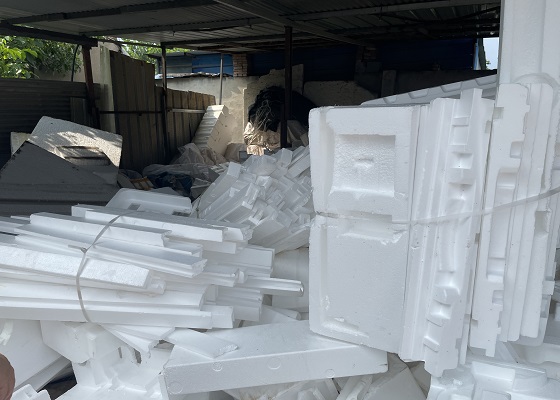
For appliance retailers, distribution centers, warehouses, and repair facilities across California, waste EPS packaging is generated every day. Although the material weighs very little, it occupies a large amount of storage space. A few truckloads of home appliances can quickly produce enough loose EPS packaging to fill an entire waste container. As business volume increases, companies often face rising storage, transportation, and disposal costs simply because of the large volume of discarded foam.
The biggest challenge in polystyrene recycling is not the material itself, but its low density. Uncompressed EPS contains approximately 98% air, making it expensive to transport to recycling facilities. Without volume reduction, businesses may need frequent waste pickups, additional warehouse space, and higher labor costs for handling loose foam packaging. These factors make traditional disposal methods both inefficient and costly.
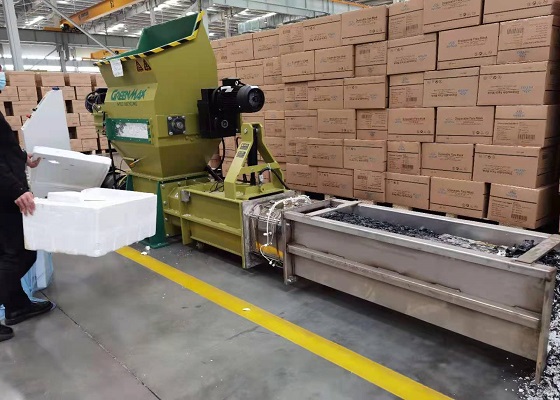
An effective solution is to use foam compactor directly at the facility where the waste is generated. GREENMAX foam compactor uses cold compression technology to reduce the volume of EPS by up to 50:1. After processing, loose appliance packaging is converted into high-density EPS blocks that are easy to stack, store, transport, and recycle.
Many appliance manufacturers, logistics companies, and recycling businesses have already adopted on-site foam recycling equipment to improve operational efficiency. Instead of paying to dispose of bulky foam waste, they can significantly reduce transportation frequency, free up valuable warehouse space, and prepare compressed EPS blocks for downstream recycling. The recycled material can then be processed into recycled polystyrene pellets and used to manufacture new plastic products, supporting a circular economy.
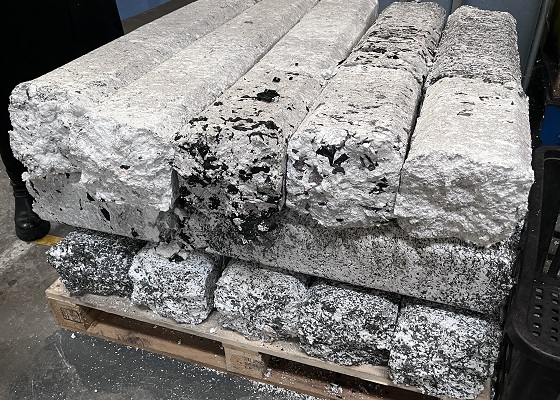
As California continues to encourage sustainable resource management and waste reduction, recycling appliance packaging has become a practical investment for businesses handling large volumes of EPS. By using foam compactor, companies can lower disposal costs, improve warehouse management, increase recycling efficiency, and transform waste polystyrene into a valuable recyclable resource.
FAQ
- What types of polystyrene waste can be recycled?
Most clean EPS packaging waste, including appliance packaging, electronics packaging, furniture packaging, fish boxes, and protective foam inserts, can be recycled. - What is the machine for recycling polystyrene waste?
GREENMAX EPS compactor is one of the most effective solutions. These machines compress loose foam into dense blocks that are easier to store, transport, and recycle. - What happens to recycled polystyrene after compression?
Compressed EPS blocks are transported to recycling facilities, where they are processed into recycled plastic pellets and manufactured into new plastic products such as picture frames, construction materials, and other plastic components.
INTCO Recycling Promotes the Development of Polystyrene Recycling
Plastic appears in every aspect of our lives. Polystyrene, as an all-around plastic, plays many important roles in all walks of life. Meanwhile, it is also accused as the top “killer” of our environment. But polystyrene is recyclable and now being recycled in many countries with the help of polystyrene recycling companies.
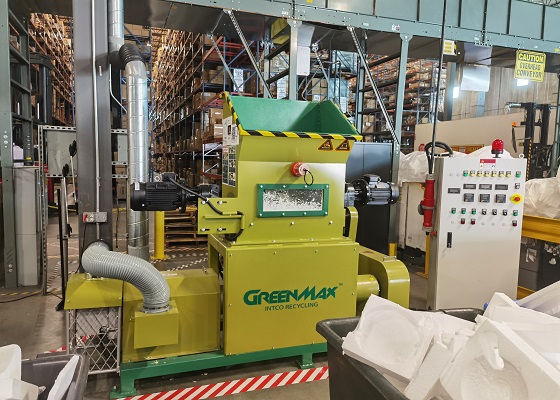
Polystyrene recycling has expanded significantly worldwide in recent years. According to industry data, the post-consumer EPS packaging recycling rate in the European Union is around 40%, while North America has achieved a recycling rate exceeding 30%. Some countries have reported even higher recovery rates, with the United Kingdom reaching approximately 54% and Japan about 68%.
As recycling infrastructure continues to improve, the United States, Canada, and many European countries are investing in more efficient collection and processing systems to support a circular economy for foam packaging materials. However, polystyrene recycling is a multi-step process that typically includes collection, sorting, size reduction, densification, and reprocessing into reusable raw materials. The efficiency and profitability of this process largely depend on the capabilities of the recycling company and the technologies used to handle foam waste.
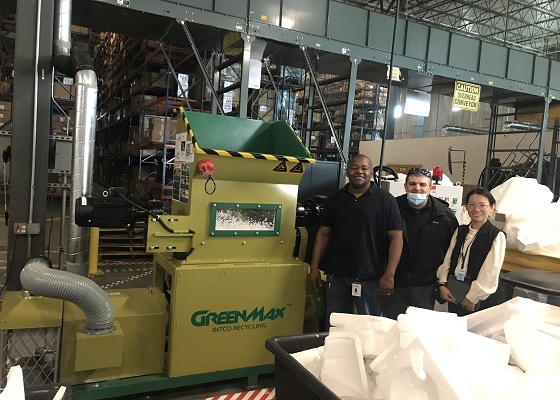
As a recycler and converter, INTCO Recycling is willing to take the initiative to recycle and educate. INTCO offers polystyrene recycling services as well as polystyrene recycling machines so that as much polystyrene can be recycled as possible, thus reducing the need for raw materials.
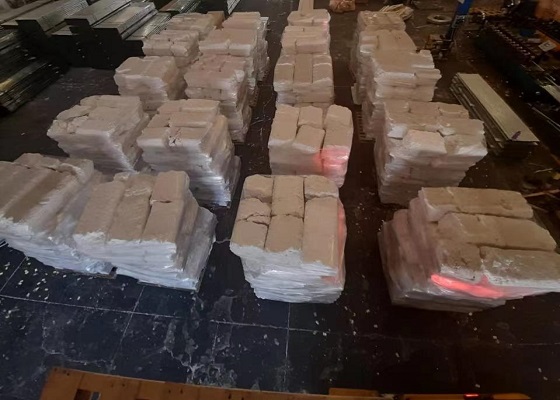
INTCO Recycling aims at helping the polystyrene industry to move toward a circular economy. Since the year of 2010, INTCO began to provide the comprehensive Polystyrene recycling solution and GREENMAX polystyrene recycling machines to customers who want to dispose of polystyrene waste in a reasonable way. As a professional Polystyrene recycling company, INTCO Recycling has helped companies or governments from different countries and has greatly promoted the polystyrene recycling industry.
FAQ
- Is polystyrene recyclable?
Yes. Polystyrene, including expanded polystyrene (EPS), can be recycled through collection, sorting, densification, and reprocessing into new raw materials or plastic products. - What is the recycling rate of polystyrene?
Recycling rates vary by region. In recent years, post-consumer EPS packaging recycling rates have reached around 40% in the European Union, over 30% in North America, and even higher in countries with mature recycling systems. - What are the main steps in polystyrene recycling?
Polystyrene recycling typically involves collection, sorting, shredding or densification, transportation, and reprocessing into recycled pellets or finished products.
How to Recycle Expanded Polystyrene (EPS) waste Cost-effectively?
Expanded polystyrene (EPS) or Styrofoam is white “bubble” plastic material commonly used in product packaging for furniture or electronics. It is actually up to 98% air and as low as 2% plastic. Therefore, it is difficult to move and recycle efficiently and economically.
EPS is one of the most controversial materials for recycling. The product itself is mainly composed of air, powerful and reliable to reduce the damage of goods, and the price is low. But those same features make recycling expensive because it requires a lot of storage space. In addition, its light weight makes it easy to be carried away by wind or water, leading to plastic problems in the world’s oceans.

The good news is that polystyrene, including EPS foam, can be effectively recycled when proper collection and processing systems are in place. In recent years, EPS recycling infrastructure has continued to expand worldwide. According to industry reports, EPS transport packaging in North America has achieved a recycling rate of approximately 31%, with more than 168 million pounds diverted from landfills. Meanwhile, EPS recycling programs are now operating in more than 70 countries, and many have reported recycling rates above 30%.
Instead of being sent to landfills, EPS can be compacted into high-density blocks and recycled into new products. This significantly reduces storage and transportation costs while helping businesses recover material value. As governments and industries place greater emphasis on circular economy initiatives, EPS recycling is becoming an increasingly practical solution for manufacturers, retailers, warehouses, and recycling facilities worldwide.
How to cost-effectively recycle polystyrene waste is always a problem for recycler and some end users. Polystyrene has a high recycling value, we must find an economic and effective recycling methods to recycle more polystyrene waste.
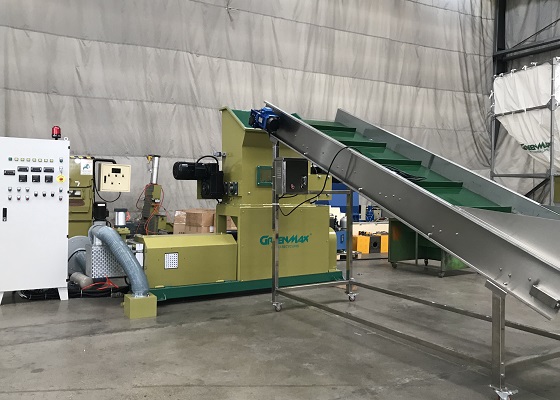
GREENMAX Polystyrene densifier is a simple, safe and economical solution for sustainable Polystyrene recycling. Thermal compaction is a revolutionary technology that converts a large quantity of lightweight polystyrene foam into a valuable resource. Our machine is one touch system so it is simple, safe and fast in operation. The compression reaches 90:1, which greatly reduce foam volume and help save storage and transportation costs.

FAQ
- What is the most cost-effective way to recycle EPS waste?
Compacting or densifying EPS foam before transportation is one of the most economical methods, as it greatly reduces volume and logistics costs. - What can recycled EPS be used for?
Recycled EPS can be processed into polystyrene pellets and used to manufacture products such as picture frames, insulation materials, office supplies, and construction products. - How much can an EPS densifier reduce foam volume?
A thermal densifier can reduce EPS volume by up to 90:1, making storage and transportation significantly more efficient.
EPS foam Recycling with GREENMAX EPS Compactor for EPS manufactures
EPS foam recycling has long been misunderstood. Many people believe EPS (expanded polystyrene) cannot be recycled and is one of the most persistent forms of waste due to its slow decomposition and bulky nature. In fact, while EPS foam is lightweight and easily scattered in the environment, it is recyclable when proper equipment and systems are used.
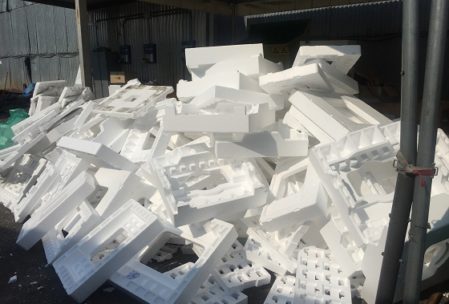
EPS waste is often highlighted in environmental discussions. For example, local reports have pointed out that EPS foam litter is frequently found in public areas and coastal environments because it is fragile, lightweight, and easily dispersed by wind and water. At the same time, its environmental persistence makes proper recycling solutions increasingly important.
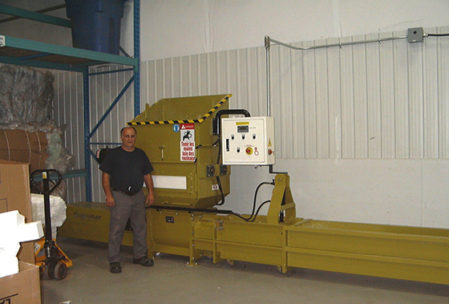
The good news is that EPS recycling is no longer just a concept—it is widely implemented and continues to grow globally. In recent years, EPS recycling volumes have steadily increased, reaching hundreds of millions of pounds annually in North America alone, showing a clear upward trend in collection and recovery rates.
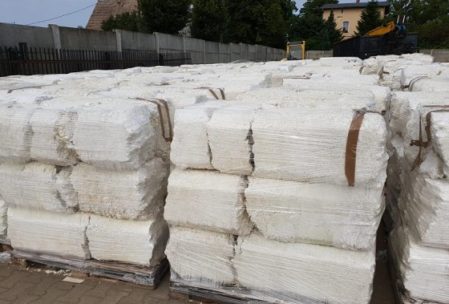
EPS foam can be recycled with only using a EPS recycling machine. GREENMAX EPS recycling compactor offered by INTCO Recycling could compress the foam into blocks at a ratio of 90:1, which has greatly reduce the transportation and storage costs.
In operation, GREENMAX EPS compactors are designed for ease of use. They typically offer two working modes—time mode and manual/power mode. For most users, time mode is recommended because it allows parameters to be preset according to operational needs, ensuring more stable and consistent performance during continuous processing.
FAQ
- Can EPS foam really be recycled?
Yes. EPS foam can be recycled when it is properly collected and processed using dedicated equipment such as compaction or densification systems. - Is EPS recycling cost-effective for manufacturers?
Yes. By reducing volume dramatically, transportation and storage costs are significantly lowered, improving overall waste management efficiency. - Is the machine difficult to operate?
GREENMAX EPS compactors are designed for simple operation, with time mode recommended for stable and consistent performance in daily use.
GREENMAX Polystyrene Compactor Helps Process Polystyrene Disposal
Polystyrene is an extremely lightweight product that is widely used across various industries, such as packaging, building and construction industry. Due to its excellent performance in thermal insulation, waterproofness, lightweight and cheap manufacturing cost, Styrofoam has been overused as a popular material for packaging usage in electrical appliances, electronic goods, fishery industry, and cutting industry.
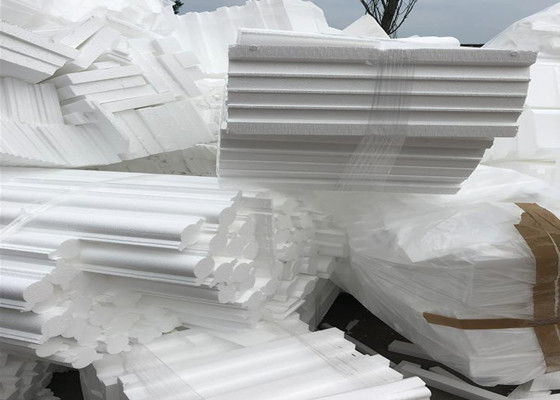
Apart from packaging applications, polystyrene foam is also used for making disposable cups, plates, cases, trays, cutlery, cartons, etc. Since Polystyrene foam is about 98% air and just about 2% plastic material, it was denounced for huge volume and high transportation fee. In order to change the situation, GREENMAX recycling has developed using various Polystyrene foam compactor.
Due to the fast development of industrialization, Polystyrene products can be found across different industries. And the overuse of these packaging products, some politicians and upper-income people encourages a ban on the use of the material. However, this is not a sensible decision, various advance waste management solutions have been developed, one of which is the Polystyrene compactor.
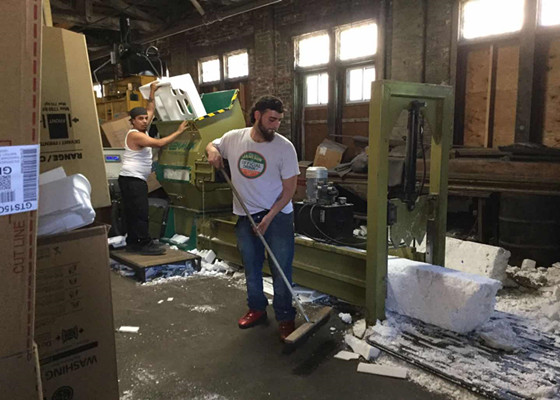
The current foam recycling machine is based on cold compression technology and hot-melting technology, that is to say it offers pollution-free compression service of Polystyrene products.
A kind of recycling machine called a Polystyene compactor can help you recycle the waste. The machine is designed especially for Styrofoam recycling and it can work at a high ratio of 50:1 which means if you put 50m³ loose foam into the hopper, the compactors will crush the foam into pieces and then compress the pieces into Polystyrene blocks which are 50 times smaller than before.
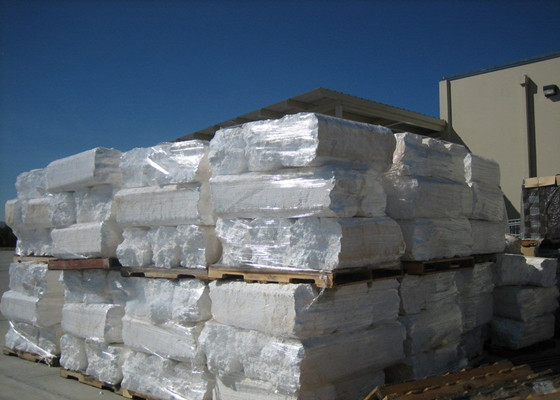
With Polystyrene screw compactor, you can realize the environmental protection requirements effectively. Moreover, GREENMAX foam compactors are made in a number of sizes and models, you can choose equipment that fits your requirements to save much time, labor and transportation costs.
FAQ
1. What is Polystyrene compactor?
Polystyrene compactor is a recycling machine designed to compress waste Styrofoam and EPS foam into dense blocks. It helps reduce foam volume significantly, making storage, transportation, and recycling more efficient.
2. How does GREENMAX Polystyrene compactor work?
GREENMAX Polystyrene compactors use cold compression or hot-melting technology to process waste foam. The machine crushes loose foam into small pieces and compresses them into compact blocks with a volume reduction ratio of up to 50:1.
3. What types of industries can use GREENMAX foam compactors?
GREENMAX foam compactors are widely used in packaging, electronics, fishery, construction, appliance manufacturing, warehouses, recycling centers, and other industries that generate large amounts of waste Polystyrene foam.