Great Use of Polystyrene: “Floating Flood Control” made of Polystyrene
Recently in Japan, floods hit local agriculture again. Agriculture in Saga Prefecture has been devastated by floods for the second year in a row since 2018, but tomato growers in Karatsu have drawn attention with their own flood control measures. The way they choose is “coexistence”. From the change of thinking of “prevention” of flood disasters, the “countermeasures for floating flood disasters” came into being. In this method, polystyrene plays a key role.
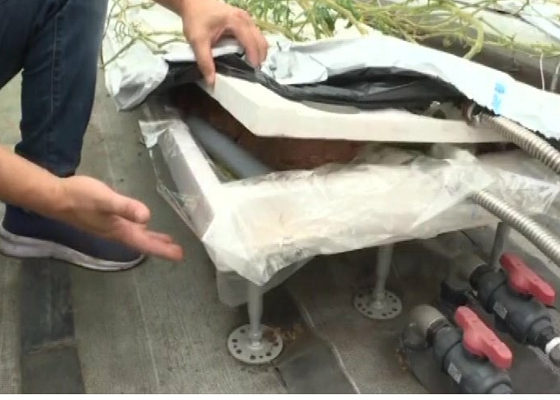
In the Ishishi district of Karatsu City, when it rains heavily, the Tokusue River that flows next to it cannot be drained well, and inland waters are flooding one after another. It is said that more than 60% of the seedlings were discarded because they died due to root rot. The flood hit year by year, so Mr. Yoshida, a tomato farmer took some measures to prevent the harm caused by the flood.
According to tomato farmer Akiki Yoshida, almost all the raw materials for the utensils used for tomato cultivation are made of Styrofoam. Because polystyrene is lightweight, it floats easily on the water. The use of polystyrene as the planting container is the biggest feature of this flood protection device, which is still rare in Japan. Based on polystyrene, the soil is changed to coconut shells to save weight. When submerged in water more than 15cm, part of the pillar can be easily removed and the base will float. Also, since the seedlings are suspended from above with a rope, the floating base will not deviate from its original position and land on the ground after draining. After six months of trial and error, Mr. Yoshida completed a “floating” cultivation device in 2020 for about 3 million yen.
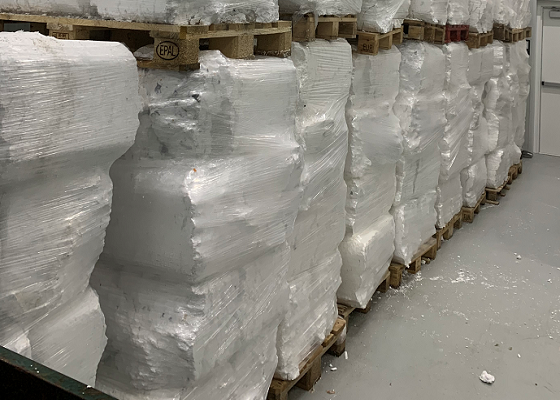
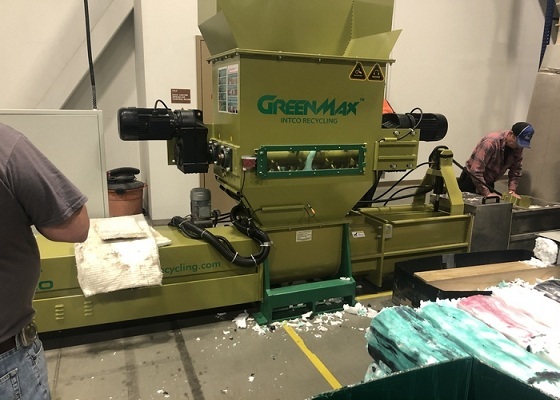
Who would have thought that polystyrene could play such a big role in floods? For a long time, the bulk and light weight of polystyrene were regarded as disadvantages. Because in the process of processing waste polystyrene, it is “blown away by the wind” and “blown to the surface to float”. These are the points that polystyrene is criticized by environmentalists. However, polystyrene waste can now be disposed of in the right and sensible way. The polystyrene compactor can compress polystyrene, so the above problems will not occur again. Compressed polystyrene can be used as a raw material for recycled plastics and has a wide range of applications. We shouldn’t give up polystyrene just because it’s difficult to handle, and it turns out that polystyrene is more useful than we thought. As long as you choose the right polystyrene recycling method, polystyrene will be a completely pollution-free plastic.
Leave a Reply