How Do Companies Deal with Polystyrene Waste in the US?
Polystyrene is widely used across the United States in packaging, food service containers, and insulation materials. Despite its convenience and versatility, polystyrene (EPS and XPS) poses a major recycling challenge due to its lightweight, bulky nature and limited local processing infrastructure.
How do American Polystyrenes consumption companies deal with the difficulties of domestic Polystyrene waste disposal?

There are three ways for them to choose:
1. To landfill
Traditional garbage disposal methods. It is a pity that Polystyrene is different from ordinary garbage. It cannot be degraded, but it can be decomposed. Polystyrene particles are always deposited in the land and cause pollution. For this reason, companies need to pay a waste disposal fee each time, how much fee depending on how much Polystyrene waste.
2. Look for recycler processing
Polystyrene is an almost 100% recyclable material and has specialized polystyrene recyclers. Companies can choose to find such recyclers to recycle Polystyrene waste, but if they don’t find recyclers nearby, companies may have a large shipping bill due to the air content of polystyrene.
3. Recycle Polystyrene with Polystyrene compactor
Most companies are increasingly inclined to choose to recycle Polystyrene themselves to make a profit. For example, USA retailers will choose to purchase GREENMAX Polystyrene compactor that compresses waste Polystyrenes by screw technology and compactor polystyrene into blocks at a high ratio of 50:1.Recycled Polystyrene blocks are small and heavy, making them easy to store and transport.
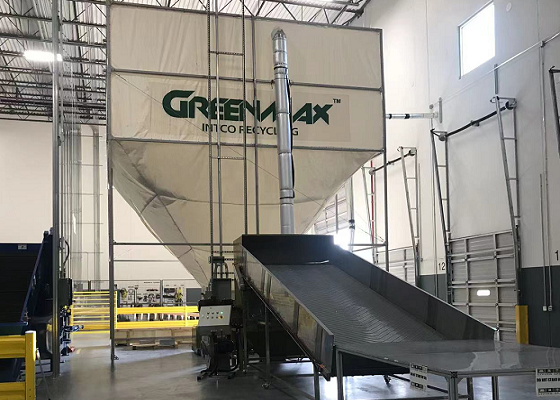
The most important point is that recycled polystyrene blocks have a broad end market, such as hangers, park benches, and other manufacturing industries, earning huge profits by selling them to these markets.
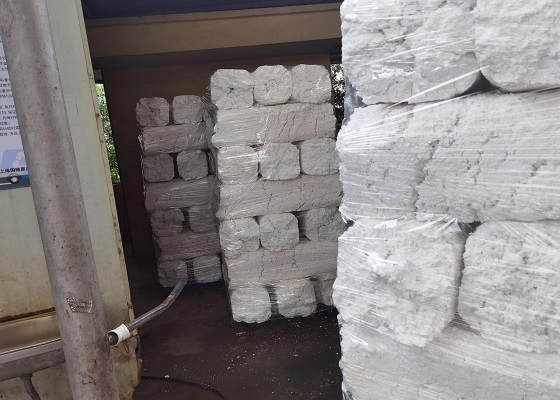
At the same time, these self-recycling companies can label themselves as environmentally friendly companies. With the improvement of consumers’ awareness of environmental protection, they are more willing to pay for the products of environmental protection companies in terms of consumption.
Leave a Reply