It Is Necessary to Recycle Polystyrene Snack Boxes
Polystyrene (PS) foam is widely used in packaging cushions, disposable snack boxes, tableware, and the like because of its low cost and superior performance. At present, my country’s polystyrene foam products have reached more than 600,000 tons, mainly used in household appliances, motorcycles, industrial accessories, and so on. In countries like the U.S., U.K., Canada, etc., it is larger usage data. There are also nearly 10% of about 50,000-60,000 tons of PS foam plastics used in disposable fast-food boxes, trays, food packaging boxes, beverage cups, and other tableware. Such foam plastic products are disposable, not only in large quantities, but also inconvenient for recycling and self-degradation due to their large size and lightweight, and have become a social hazard.
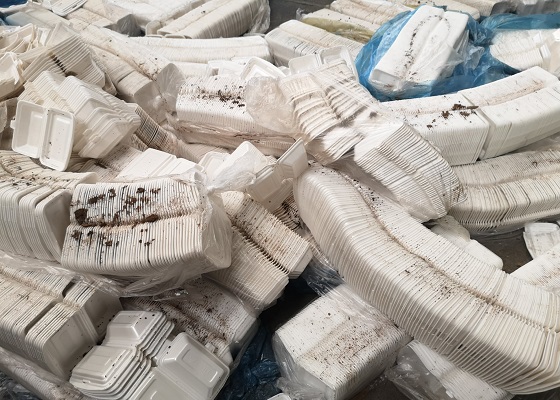
Developed countries use more polystyrene plastics and attach great importance to their disposal and utilization. However, the use of polystyrene foam itself is not equal to white pollution. Their appearance and rapid popularization and application bring convenience, safety, hygiene, and low cost to human society. So far, no other materials can be comparable in price and price. Functionally, it fully competes with or replaces it. The real problem is that people use it and throw it away at will, and it is impossible to raise every citizen’s environmental awareness to the level of eliminating white pollution in a short period of time through education and publicity.
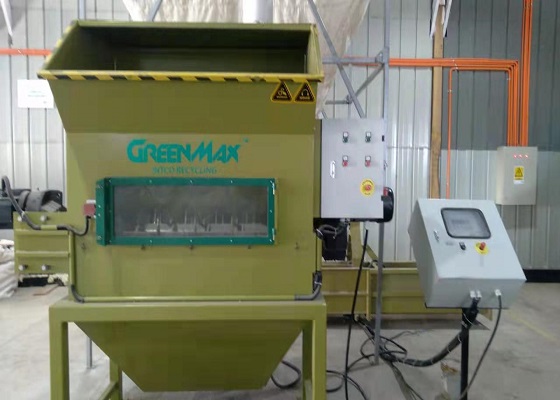
Then, the easiest way to prevent white pollution is to prohibit production and use. The railway department and some large and medium-sized cities have successively made regulations to completely prohibit the production, sale, and use of disposable non-degradable plastic tableware. If it takes effect nationwide, the production of other materials or degradable plastic tableware will not only increase the burden on consumers, but also cause more than 130 production lines imported with hundreds of millions of dollars to be shut down and scrapped, tens of thousands of workers will be suspended from work, and it may also be possible. New contradictions and new problems are caused by the use of paper products or degradable plastic products.
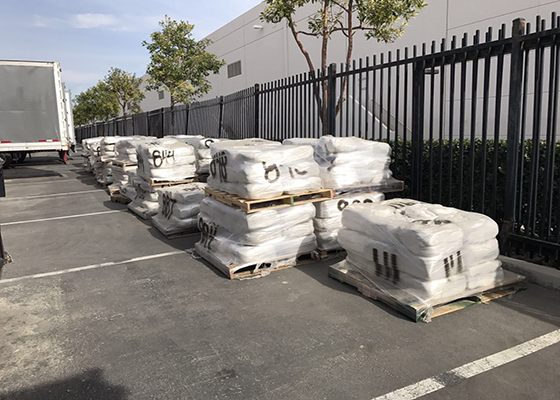
After repeated demonstration and comparison of existing technical routes and data, between the implementation of the ban and recycling, it is clear that the latter is the best way to solve the white pollution caused by polystyrene foam. Recycling polystyrene well is the only way to maximize the use of natural resources while allowing Styrofoam to continue to be produced and serve human society.
Leave a Reply