Why should we extend the recycling rate of polystyrene foam?
Why is polystyrene not accepted by many community recycling programs? There are several reasons. First, it’s not an important part of the waste stream. All #6 foams account for less than 1% of all products by weight in MSW. Second, waste transfer targets are often measured by weight, so the lightweight foam makes it unattractive (the truck’s loose foam weighs only about 1,000 pounds). Third, it takes more effort to collect a pound of foam than a pound of glass or cardboard.
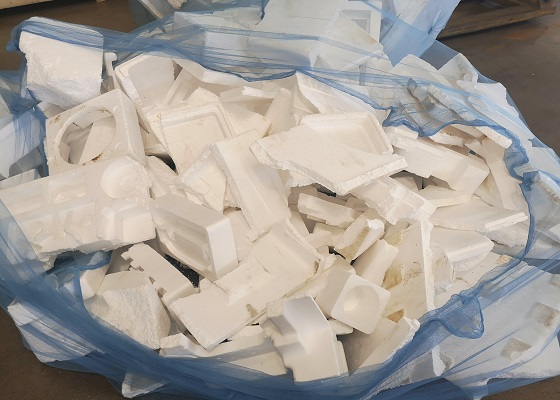
So why should we recycle polystyrene foam?
First, polystyrene has real value once it has been compacted. There are now many markets for foam blocks and the price they pay often exceeds the price of cardboard and other popular recycling commodities.
Second, new technologies make it more efficient than ever to recycle polystyrene foam. There are many special equipment options, called foam densifiers, that reduce foam to dozens of times its original volume, such as the GREENMAX foam densifier, which has a maximum compression ratio of 90:1, allowing 40,000 pounds of material to be mounted on a 48′ trailer. The device also requires less space than in the past and can efficiently handle mixed foam density at the same time.
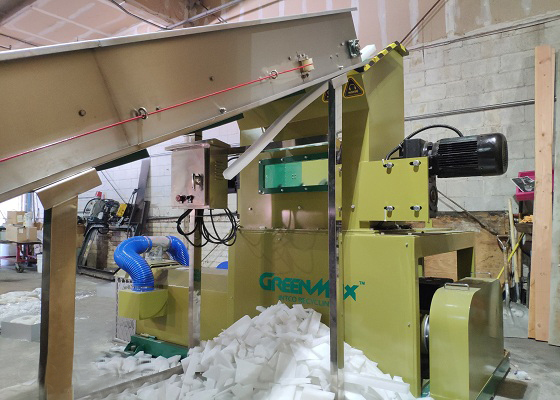
Turning the waste polystyrene into a new product is a simple process that reduces the need to harvest crude oil from the ground and all the energy associated with the process needed to make the original resin. The use of recycled foam has saved resources and reduced dependence on foreign oil. At the same time, the recycled foam can be processed in the production of photo frames, insulation board and other foam products.
All these factors indicate the trend of polystyrene recycling program, and this is also the reason why we should extend the recycling rate of polystyrene waste.
Leave a Reply