Will GREENMAX Polystyrene Compactor Be Affected by the New Montreal Foam Processing Process?
Polystyrene is one of the most widely used plastics in the world. It is used in the manufacture of Styrofoam, CD cases, insulation, and any container with the No. 6 recycling symbol. Despite its ubiquity, it is one of the less recycled plastics. In Montreal, a local company has developed a new process that it says will make recycling polystyrene easier and cheaper.
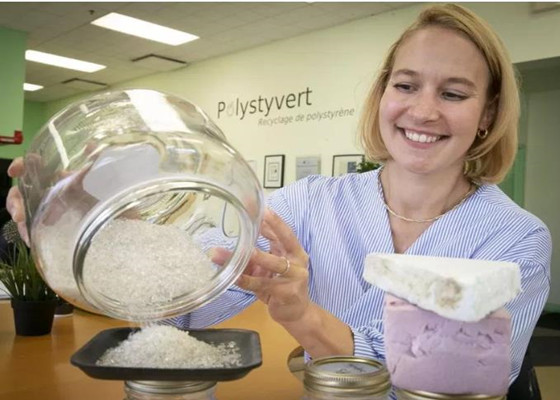
On Monday, Polystyvert opened what it says is the world’s first plant to recycle polystyrene using a process that uses chemicals to dissolve materials. “Some mechanical recycling methods already exist, but they’re not really profitable or very efficient. That’s why polystyrene is less recycled plastic,” said Solenne Brouard Gaillot, founder and CEO of Polystyvert. And, she says, they’ve developed a new chemical process that’s very efficient: she came up with the idea of using a dissolution process to recycle polystyrene, one of the big challenges.
Because the material is mostly air, the amount of plastic that can be recycled isn’t enough to cover the cost of shipping bulky materials, she said. The idea is that by dissolving and removing air, it can be transported more easily. But dismantling the material also helps the company address another recycling problem: pollution. Used polystyrene can be contaminated with the food it is used to transport and is often mixed with other packaging materials. “So, by dissolving, first, it’s easy to filter out large parts like wood, paper, cardboard, and then we can apply chemical process purification to remove inks, pigments, colors, fillers, additives.”
While the Montreal plant is dedicated to expanded polystyrene, she said the process is applicable to any kind of polystyrene. Polystyvert’s Anjou facility, which can recycle 600 tons of polystyrene a year, is just a fraction of the 92,000 tons of polystyrene waste that Quebec generates annually, and Brouard Gaillot said the plant will be able to show potential customers how much the process costs.
The company hopes to license its technology to polystyrene producers and recycling companies. It also hopes to build a larger factory in Montreal. “Hopefully,” she said, “people will soon be able to put their yogurt cups and TV packages in blue boxes.”
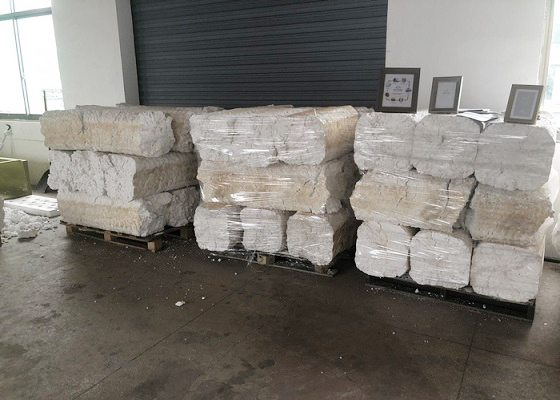
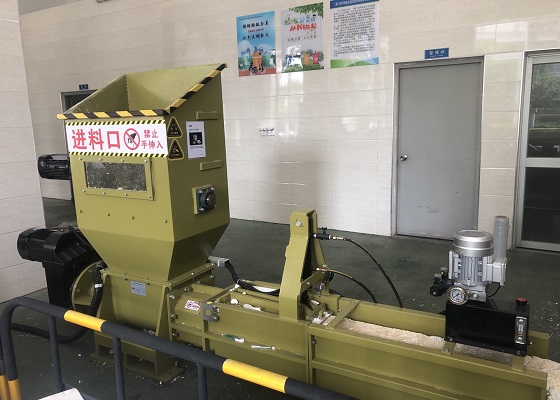
At the same time, the current mainstream foam terminal treatment method in foreign countries or in China still uses GREENMAX foam compressors to crush waste foams and cold-press them into blocks. GREENMAX polystyrene compactor can achieve a volume reduction ratio of 50%. Through the polystyrene compactor, the transportation cost can be greatly reduced, and the recycled PS particles can be compressed from the waste foam, which can be used to produce more environmentally friendly photo frame products.
Leave a Reply